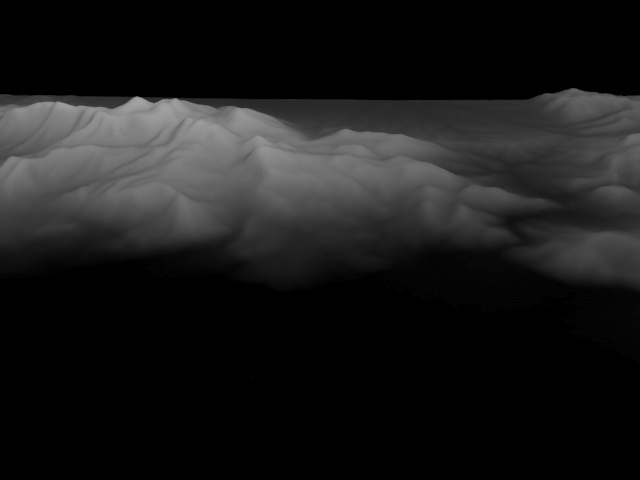
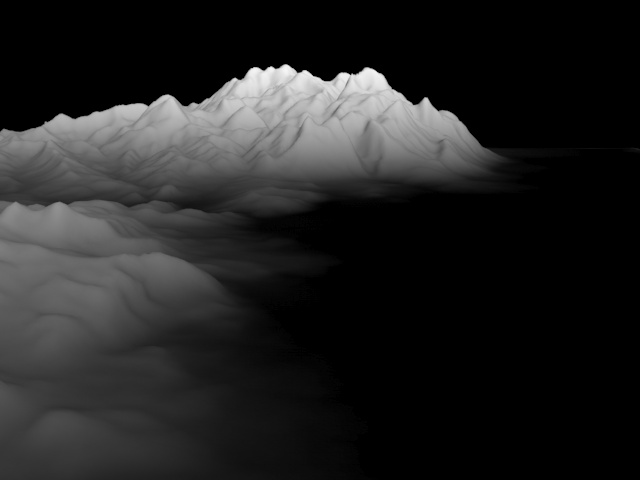
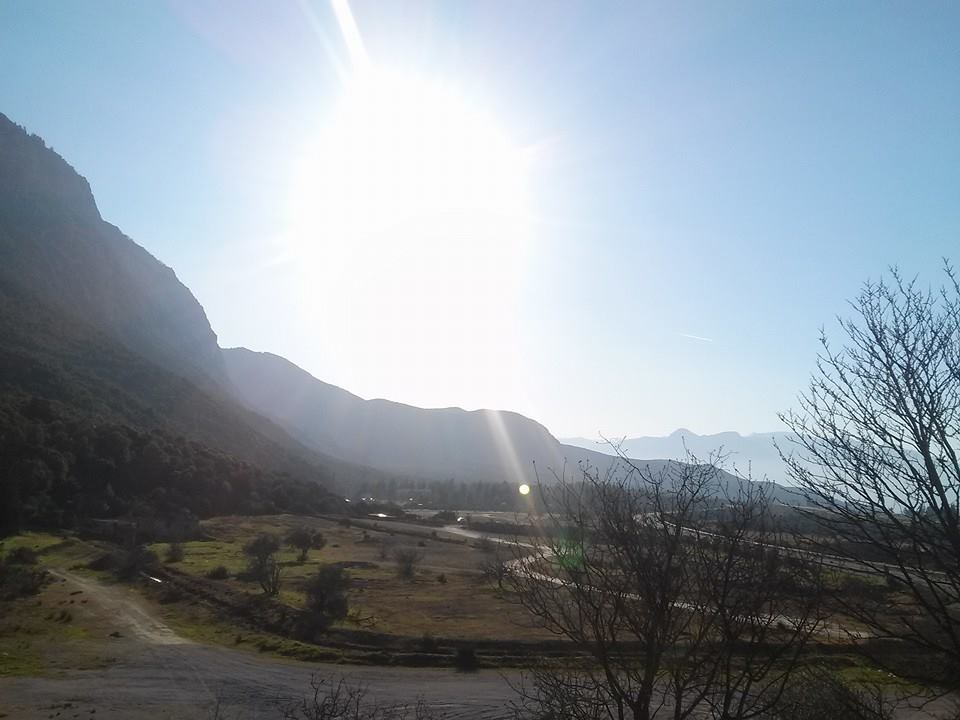
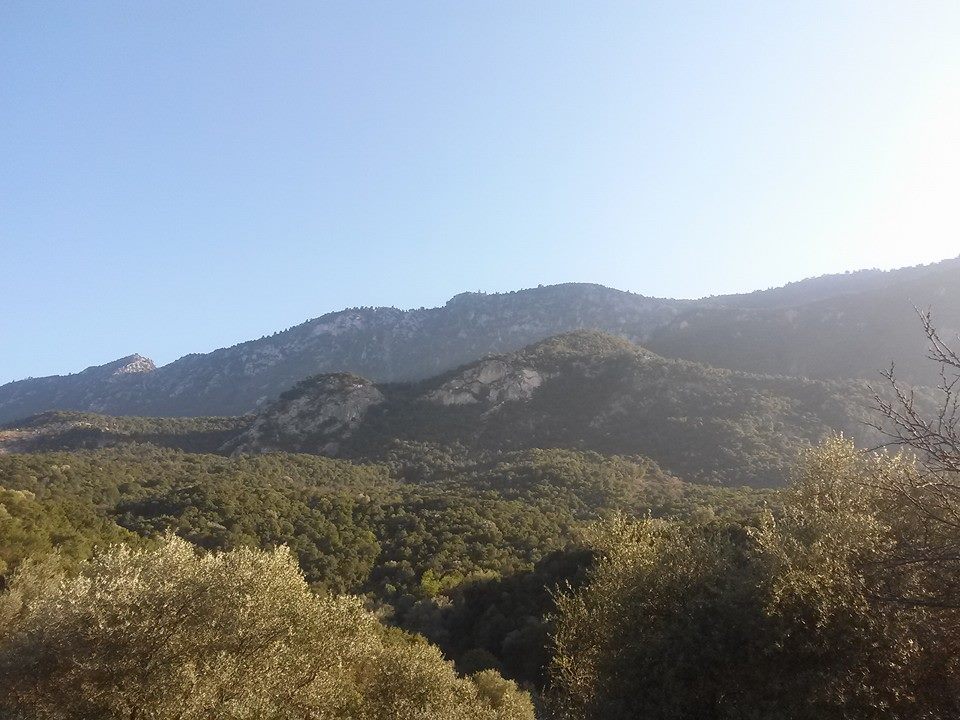
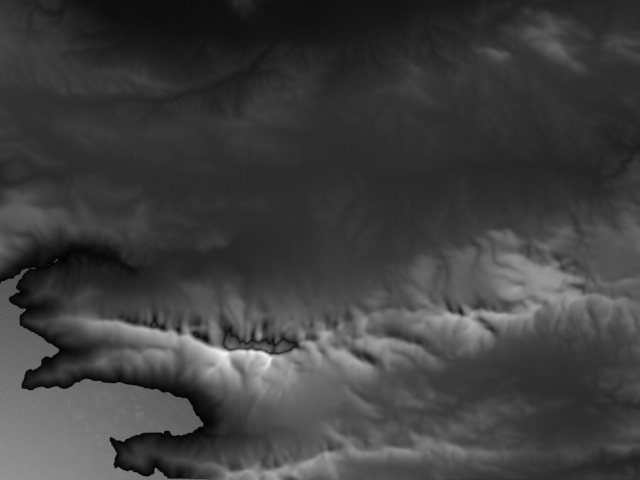
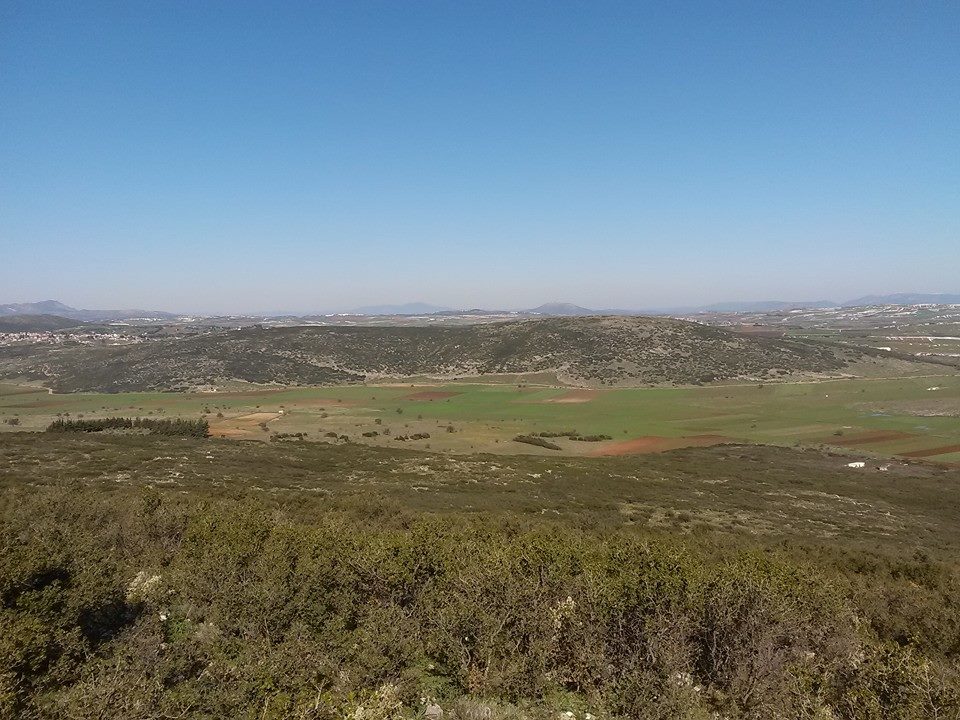
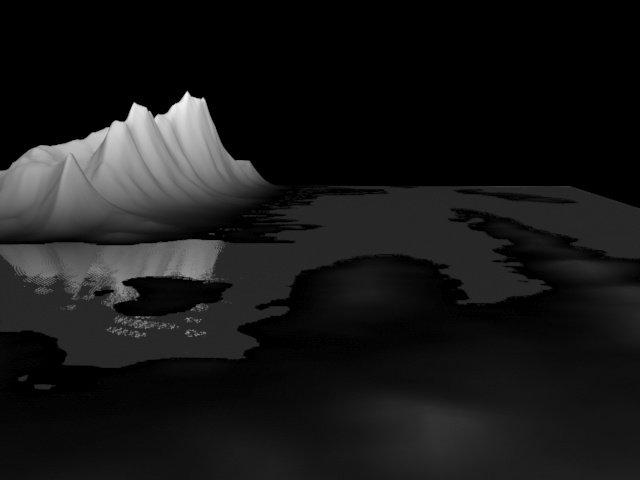
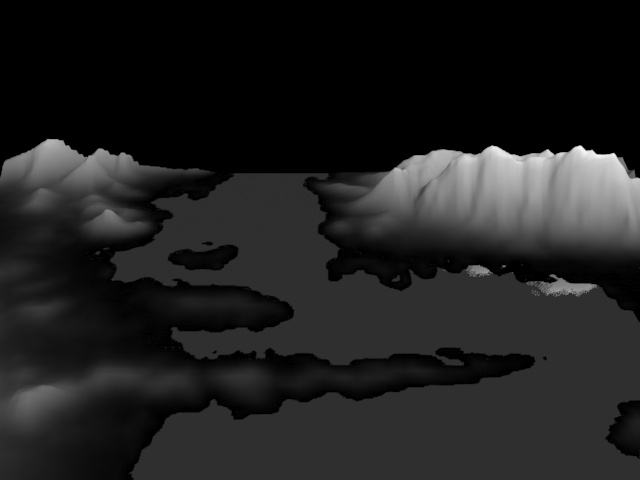
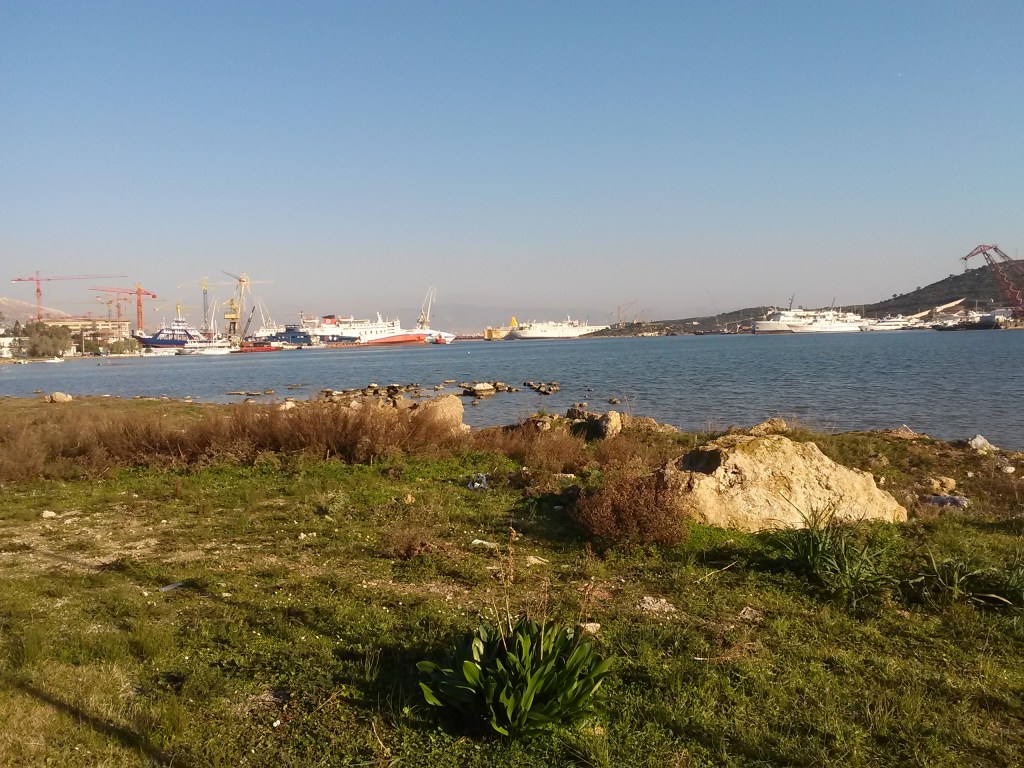
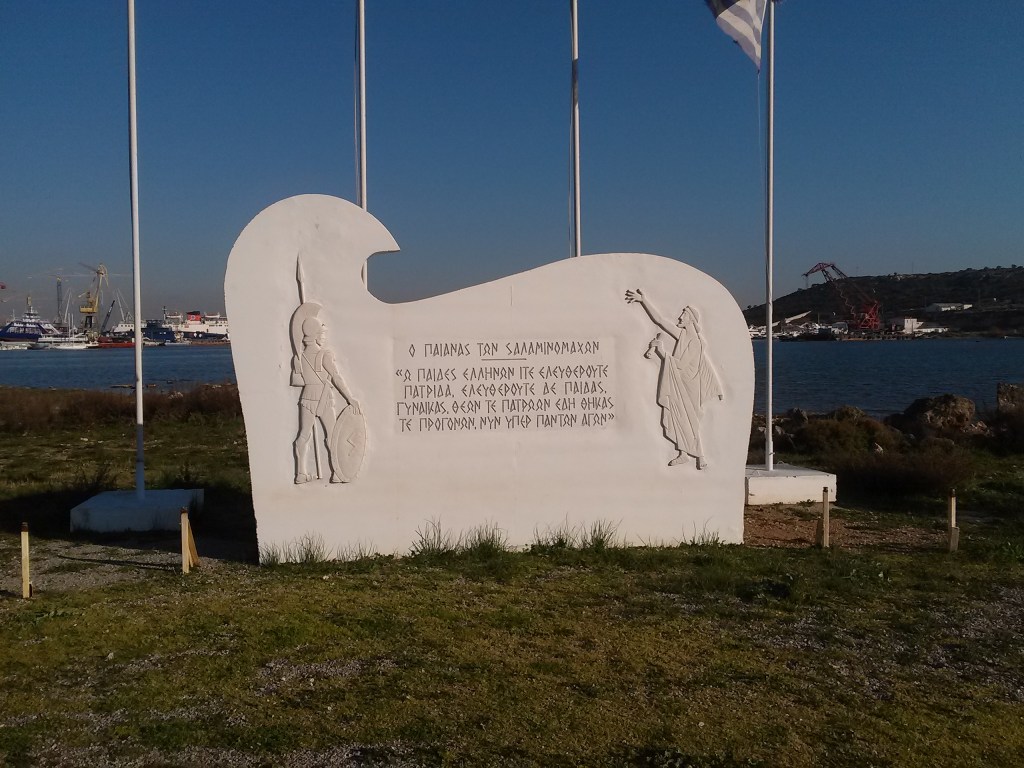
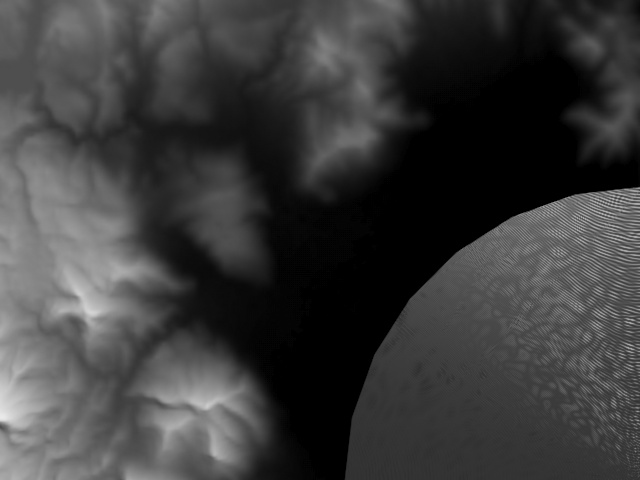
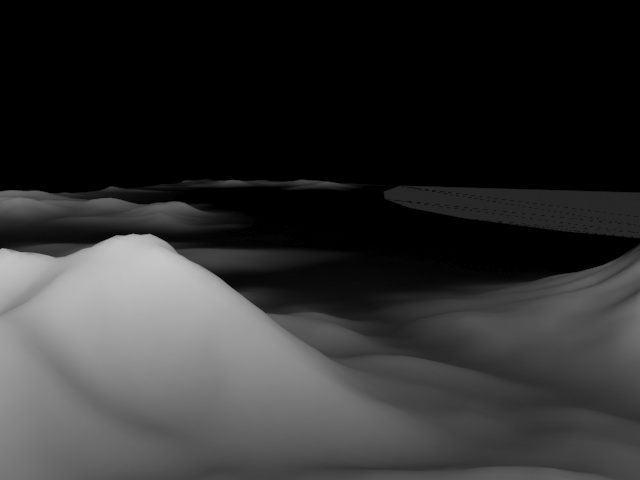
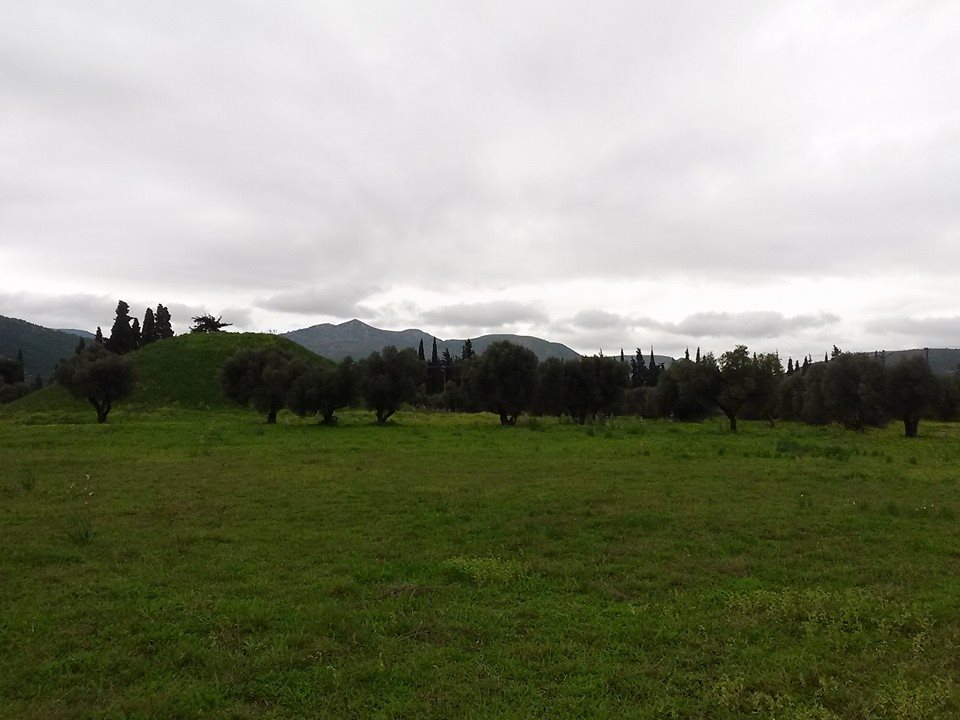
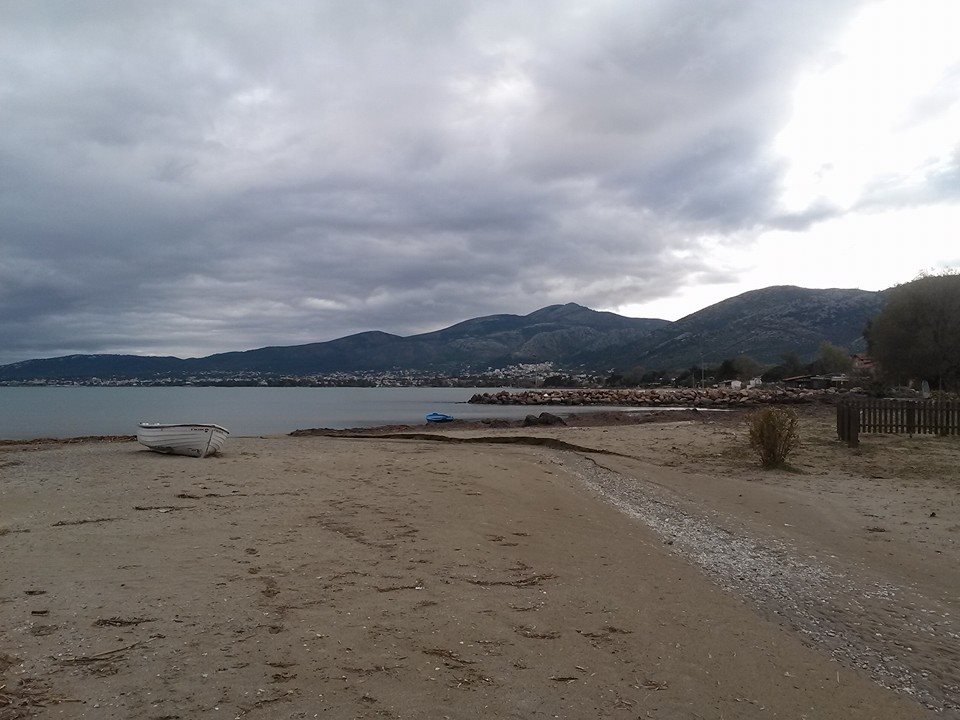
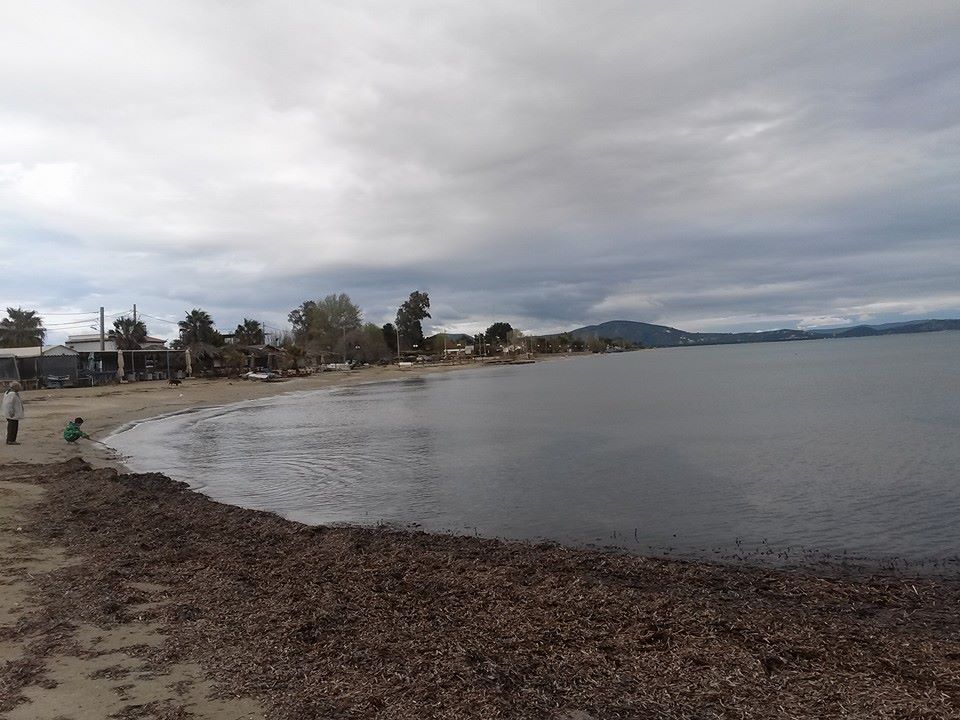
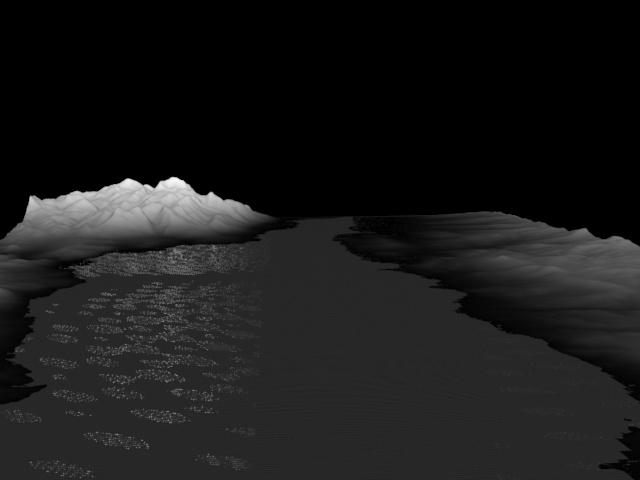
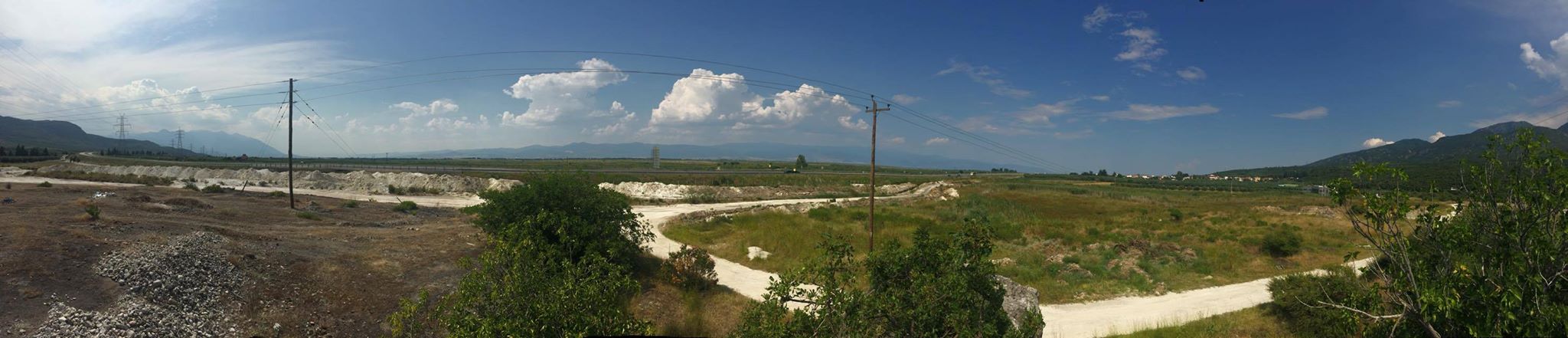
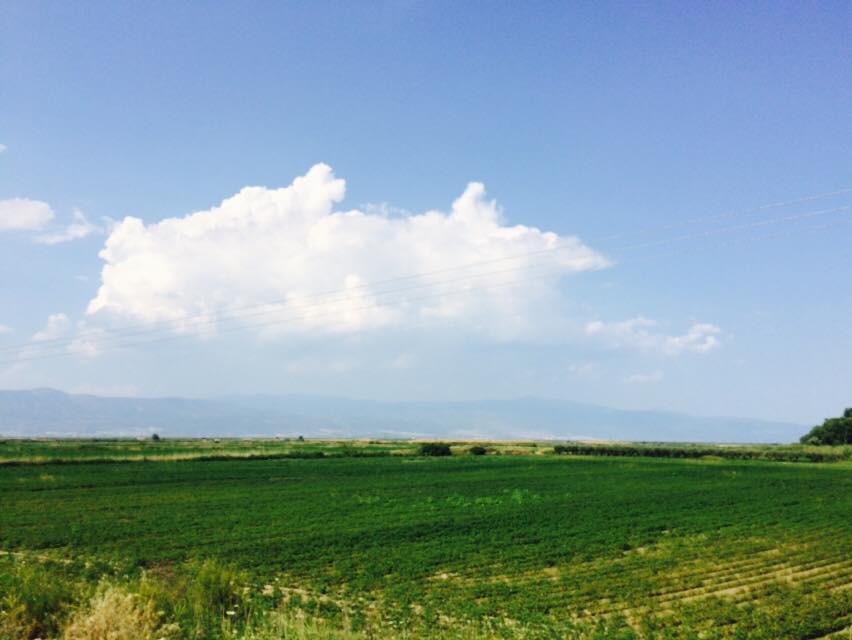
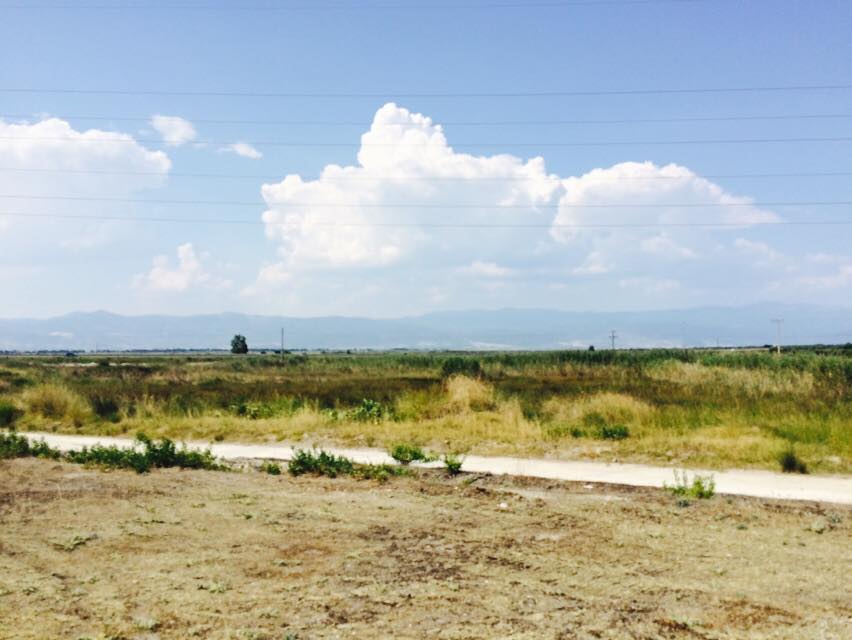
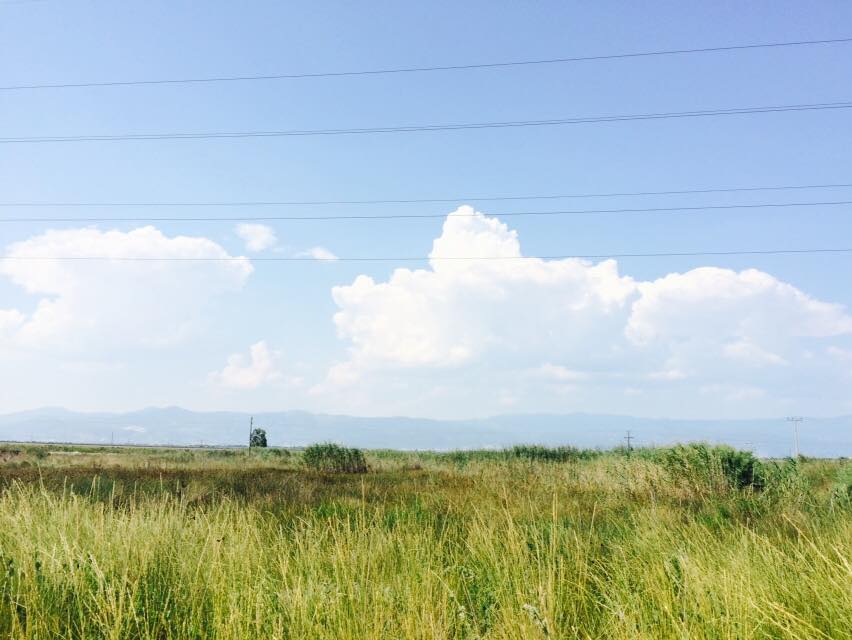
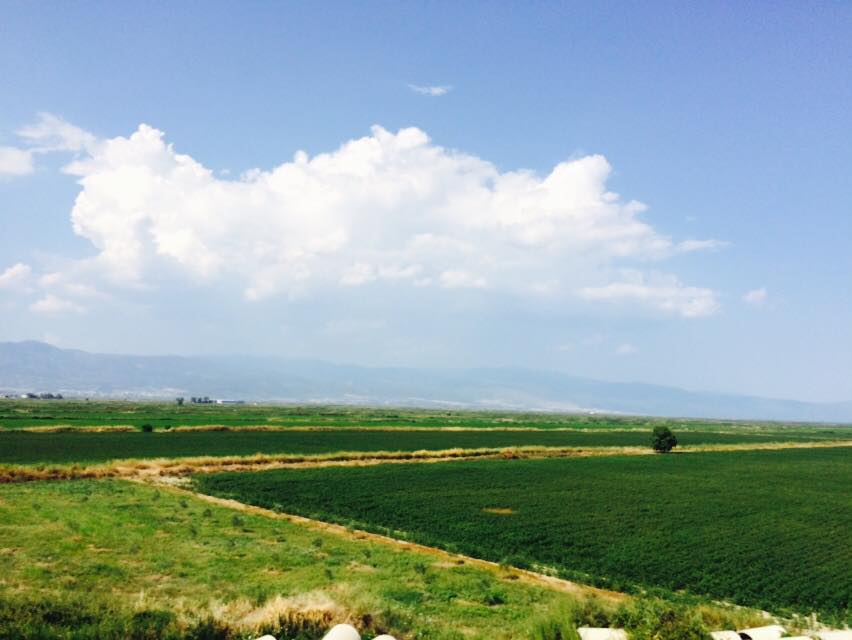
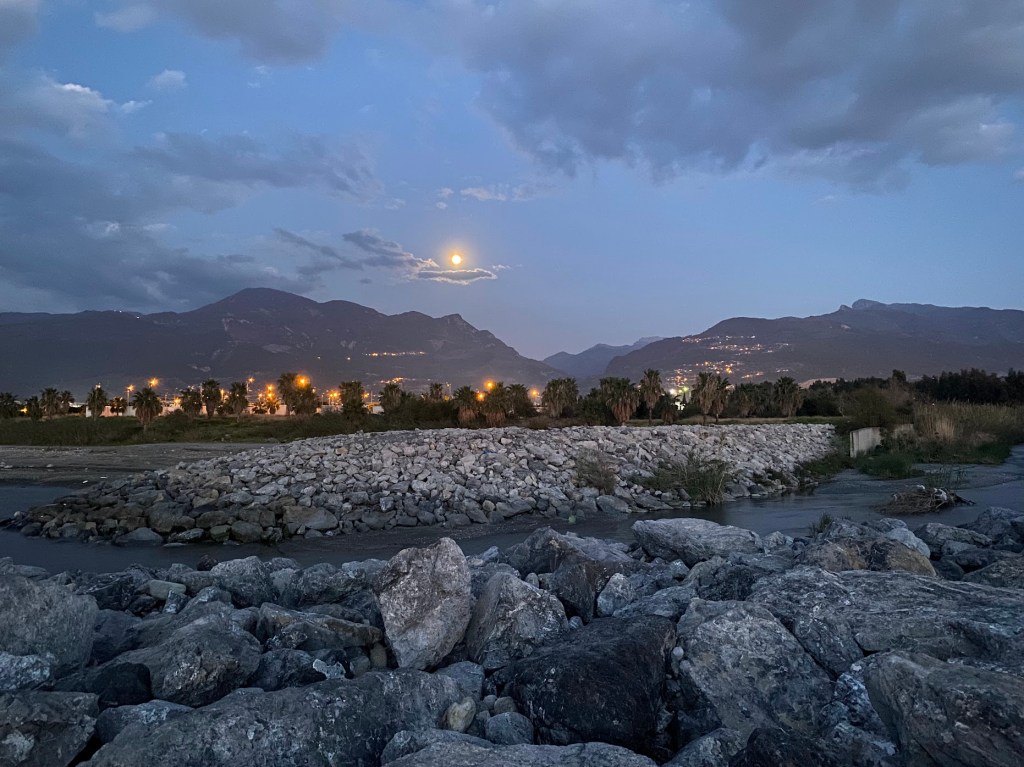
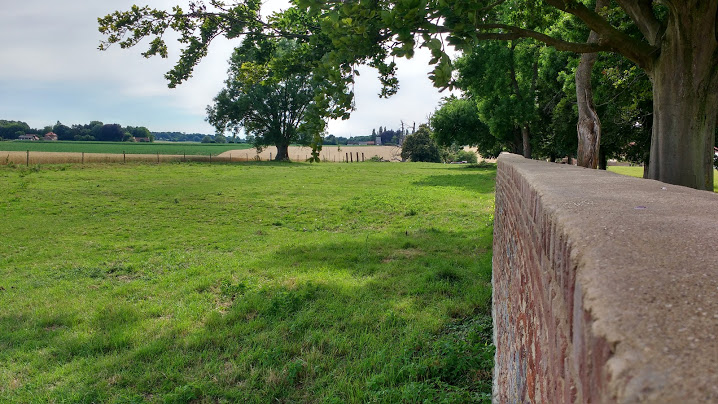
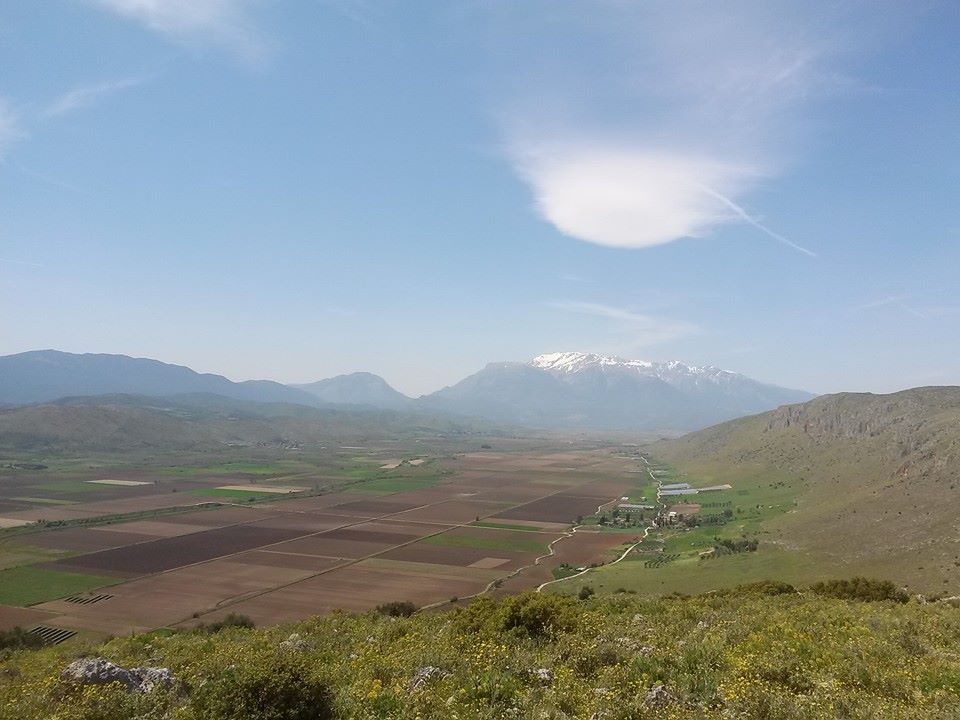
Photographs provide panoramic views and images to contextualize battlefields in their modern setting, document their current condition, and provide insight into different types of flora present. Digital models underscore changes in elevation and topography without the interposition of modern edifices. The format provides visitors a glimpse of the historic landscape
TABLE OF CONTENTS
Battle of Thermpoylae
At Thermopylae Teagea, Mantineia, Arcadia, Corinth, Phlius, Mykene, Boetians, Thespians, Thebans, and Spartan combined forces under the leadership of the Spartan king Leonidas to engage Xerxes’ Persian army at the hot gates. The heavily outnumbered Greeks held off the Persian attacks for three days before the discovery of a hidden path rendered the continued defense of the pass unfeasible. The majority of Greeks subsequently withdrew from the battlefield while Leonidas and the remaining Greeks fought to the death (Herodotus, book VII 201-234).





Battle of Plataea
At Plataea, the Greek coalition consisted of Spartans, Helots, Tegeans, Corinthians, Potidaia, Orchomenos, Sikyonians, Epidaurians, Troizenians, Lepreates, Mikene, Tiryns, Phliasians, Hermionians, Eretrians, Styrians, Chalkidians, Amprakia, Leucadians, Anactorians, Kephallenia, Eginetans, Megarians, Plataians, and Athenians. Under the leadership of Pausanias, and after several days of skirmishing, a major conflict with the Persian forces under Mardonius ensued. After discovering Pausanius had withdrawn the majority of his forces from the Asopos river under cover of darkness, Mardonius attacked the remaining Greek contingents. The Greeks thoroughly defeated the Persian forces in the subsequent battle (Herodotus, Book IX 1-89)


Battle of Salamis
At Salamis the Spartan Eurycleides gathered the fleets of the Lacedemonians, Corinthians, Sikyonians, Epidaurians, Troizenians Hermions, Megarians, Amprakiots, Leucadians, Croton, Eginetans Chalkidians, Eretrians, Keïans, Naxians, Styrians, Kythnos, Seriphians, Siphnians, Melians, and Athenians. Luring the Persian fleet under Xerxes into the narrow straits between the island of Salamis and the mainland of Attica, the Greek fleet greatly damaged the Persian fleet (Herodotus, Book VIII 40-96)





Battle of Marathon
At Marathon, although heavily outnumbered, the Athenians and Plataeans combined forces to confront the invading Persian army under Darius I. Under the command of Miltiades, the Greek’s weighted flanks broke through the Persian lines opposing them before encircling the enemy center. Breaking formation under the pressure, the Persian army fled the battlefield in a general route with the Greek forces in close pursuit. (Herodotus, book VI 94-140)




Battle of Artimisium
The Athenians, Plataeans, Corinthians, Megarians, Chalcidenas, Eginetans, Sicyonians, Spartans, epidaurins, Eretrians, Troezenians, Styreans, Ceans, and Locrians led by Eurybiades of Sparta engaged the Persians for three days in the narrow straits between Aphetae and Artemisium. Although the Greeks take the initiative in the first two days they fail to decisively defeat the Persians. The second day ends in a stalemate and the Greek forces decide to retreat (Herodotus book VIII, 1-17)


About the Author

Michael van Ginkel
Armed with a master’s degree in conflict archaeology and heritage, I’ve researched and excavated sites of conflict across the globe. I actively train and compete in grappling, the oldest combat sport in history

License & Copyright
The copyright holder has published this content under the following license: Creative Commons Attribution-NonCommercial-ShareAlike. This license lets others remix, tweak, and build upon this content non-commercially, as long as they credit the author and license their new creations under the identical terms. When republishing on the web a hyperlink back to the original content source URL must be included. Please note that content linked from this page may have different licensing terms.

 The Conflict Archaeologist