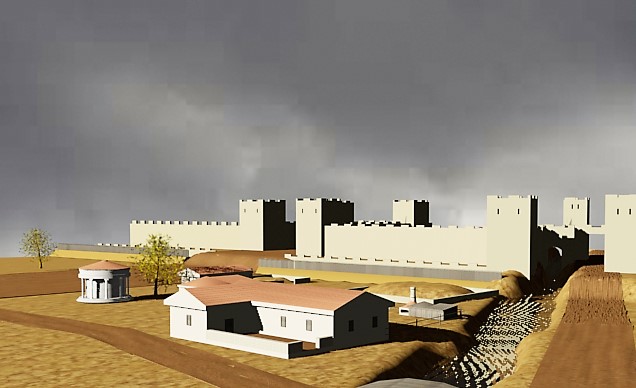
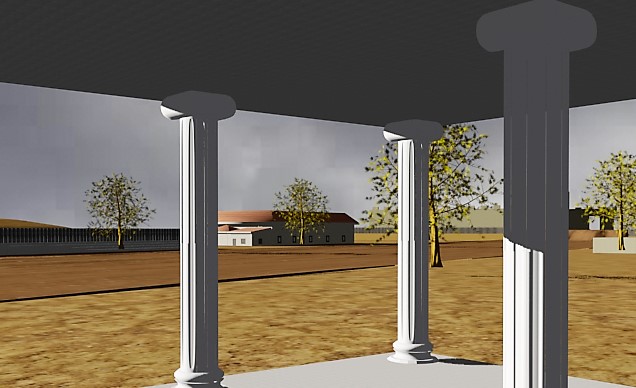
The Kerameikos was the ancient burial grounds used by 5th-century Athens to honor their war-dead. Researching commemoration of Athenian casualties impacts not only our understanding of ancient memorialization, but also of state-driven propaganda projects around war-dead memorialization in nascent democratic societies. The aim of this study was to identify the experiential reality of the “public tomb” through a three-dimensional reconstruction of the kerameikos area.
TABLE OF CONTENTS

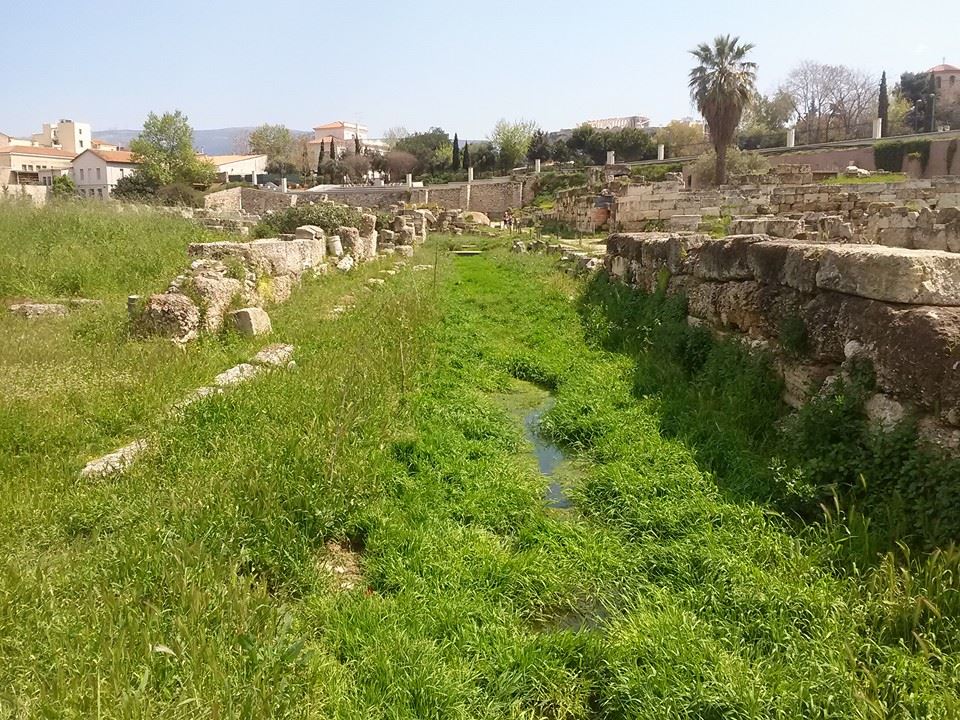

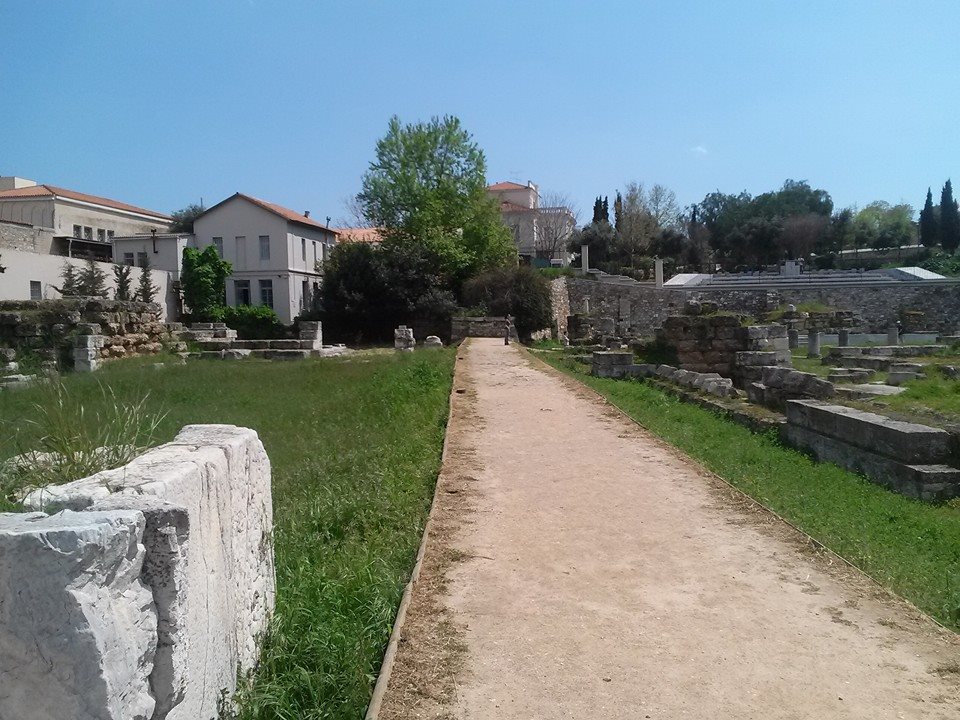
Reconstruction Process
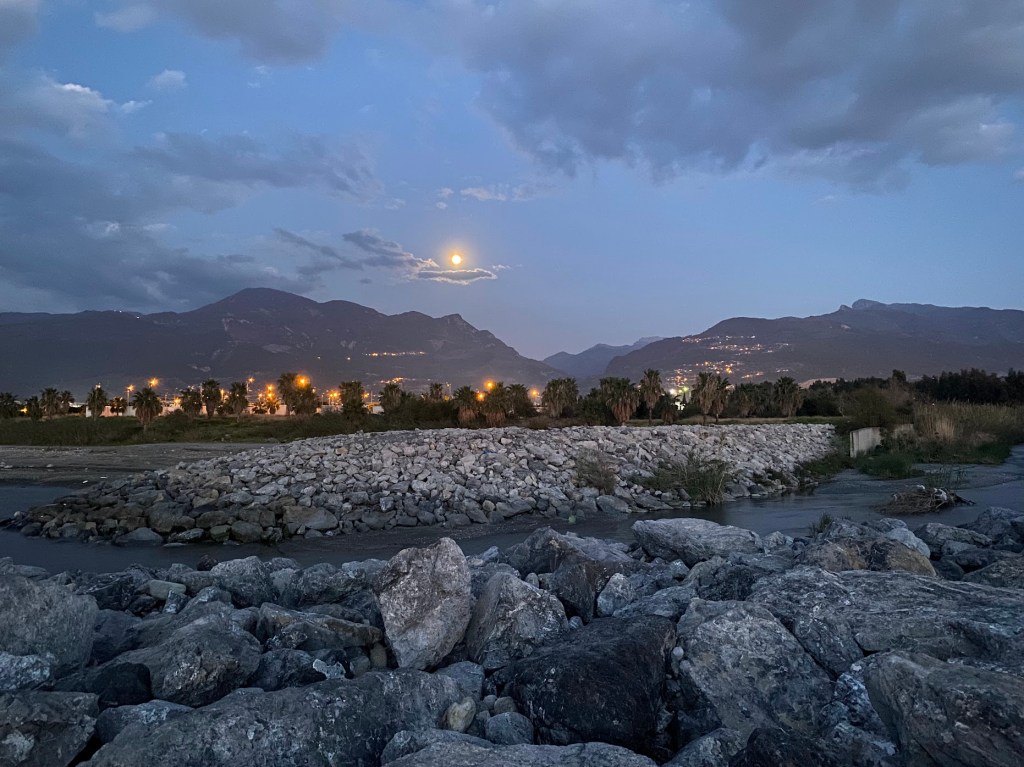
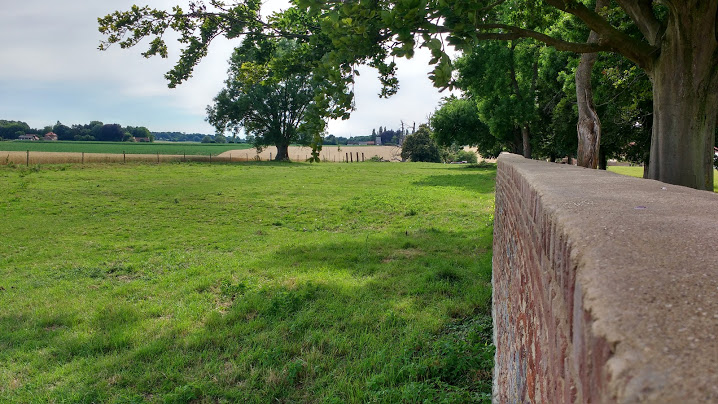
Using SketchUp and 3dsMax, a digital reconstruction of the kerimeikos was created. Archaeological records and ancient Greek primary sources provided the dimensions for the three-dimensional model to ensure an accurate representation was created. Secondary sources and reconnaissance of the current landscape supplemented the research to correctly contextualize ancient edifices in an environment that reflected 5th-century reality.

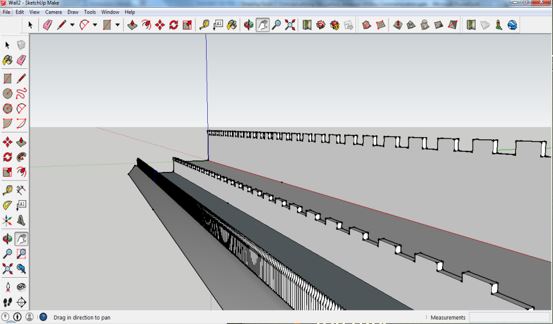

Modern Visuals
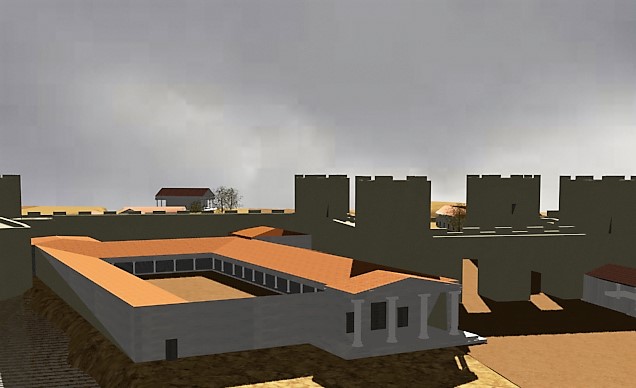
Recent discoveries in Athens, such as the unearthing of four polyandreia, or mass war-graves, at a construction site on 35 Salaminos Street, raise the question of how the ancient Athenian burial grounds were visually and ideologically conceptualized. By compiling archaeological evidence of public commemoration for Athenian war casualties, a 3D reconstruction was created of the kerameikos area. The results allow for the analyzation of spatial relationships between monuments and their natural and artificial surroundings. The digital rendering of the area stressed the less monumental aspects of Athenian commemoration.

Bibliography
- Aeschylus, Agamemnon
- Aristophanes’ “the birds”
- Thucydides’ history of the Peloponnesian war
- Lysias’ funeral oration
- Plato’s Menexenus
- Isocrates’ “on the Peace”
- Lycurgus’ “Against Leocrates”
- Arrington, Nathan Todd. 2010. “Between victory and Defeat: Framing the Fallen Warrior In Fifth-Century Art”. Diss. University of California, Berkeley.
- Clairmont, Christoph. 1981. “New Evidence for a Polyandrion in the Demosion Sema of Athens?” The Journal of Hellenic Studies. 101: 132-134.
- Ed Coulson, W.D.E, et al. 1994. The Archaeology of Athens and Attica under the Democracy. Oxford Monograph 37.
- Knigge, Ursula. 1991. The Athenian Kerameikos. Destches Archaologisches institute Athens.
- Ed Kypraioy, Evangelia. 2004. Eridanos the River of Ancient Athens. Archaeological receipts fund.
- Low, Polly. 2003. “Remembering War in Fifth Century Greece: Ideology, societies, and Commemorations beyond Democratic Athens”. World Archaeology, 35: 98-111.
- Oakley, John H. 2004. Picturing death in classical Athens. Cambridge University Press.
- Ed Pritchard, David M. 2010. War, Democracy, and Culture in Classical Athens. Cambridge University Press.
- Toher, Mark. 1999. “On “Thucydides Blunder”: 2.34.5”. Hermes. 127: 497-501
- Travlos, John. 1971. Pictorial Dictionary of Ancient Athens. Praeger Publishers.
About the Author

Michael van Ginkel
Armed with a master’s degree in conflict archaeology and heritage, I’ve researched and excavated sites of conflict across the globe. I actively train and compete in grappling, the oldest combat sport in history

License & Copyright
The copyright holder has published this content under the following license: Creative Commons Attribution-NonCommercial-ShareAlike. This license lets others remix, tweak, and build upon this content non-commercially, as long as they credit the author and license their new creations under the identical terms. When republishing on the web a hyperlink back to the original content source URL must be included. Please note that content linked from this page may have different licensing terms.

 The Conflict Archaeologist